
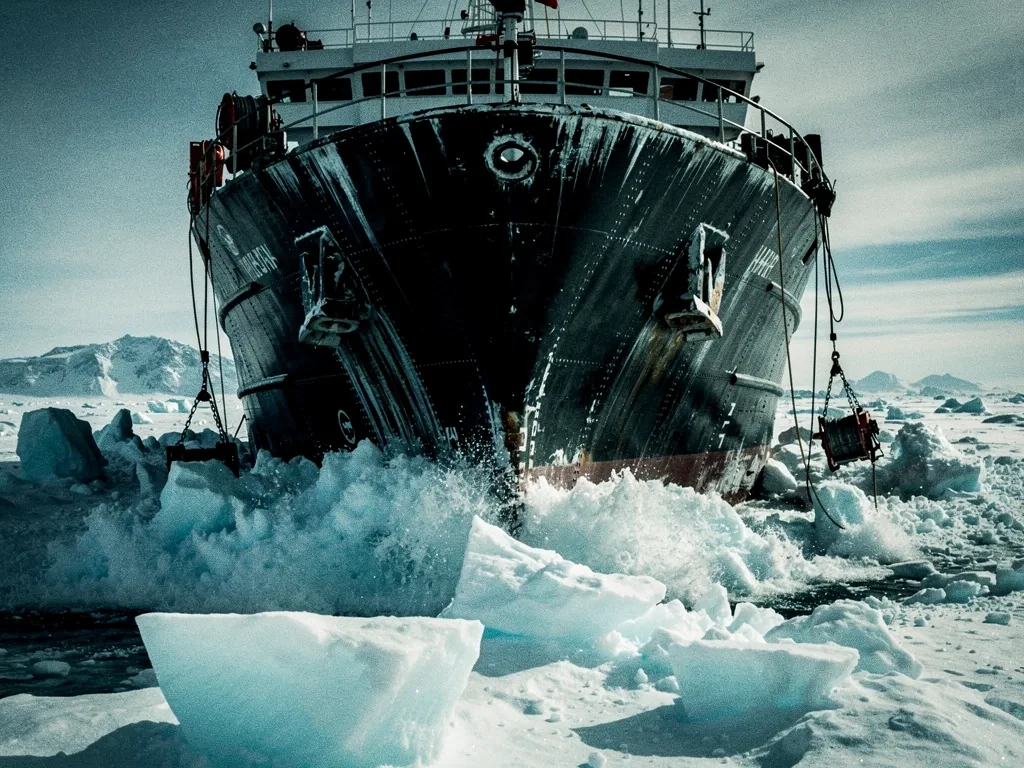
ARCTIC
EQUIPMENT
A technical index of hardware built for the high-latitude fishing adventure. From high-torque augers to thermal layering, we examine the gear that separates successful expeditions from survival scenarios in frozen waters.
Technical Performance
Data gathered from field tests at -30°C. We measure the torque required for clear black ice versus packed slush, ensuring your fishing world remains accessible even in the most hostile conditions.
| Hardware Category | Critical Metric | Arctic Performance | Safety Baseline |
|---|---|---|---|
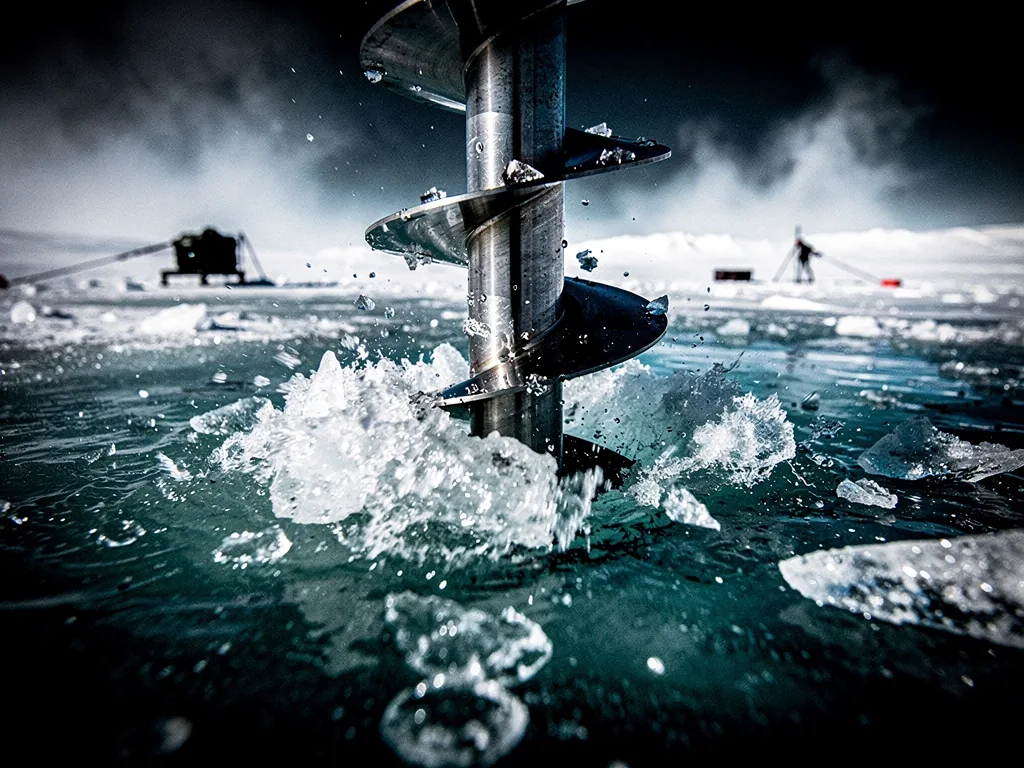
| Electric Augers Lithium-Core Units | 120Nm Torque | Effective in 40-inch blue ice. Integrated cold-weather battery shielding recommended for sustained interactive fishing. | Optimal |
| Thermal Bibs Floating Core Series | R-Value 8.5 | High-loft insulation optimized for static stays. Built-in buoyancy for breakthrough scenarios in thin frozen waters. | Survival Grade |
| Graphite Rods Sensitivity Matrix | Ultra-Flex | Maximum tactile feedback for deep-basin perch. Prone to snapping if thermal bridging occurs at the tip. | Care Advised |
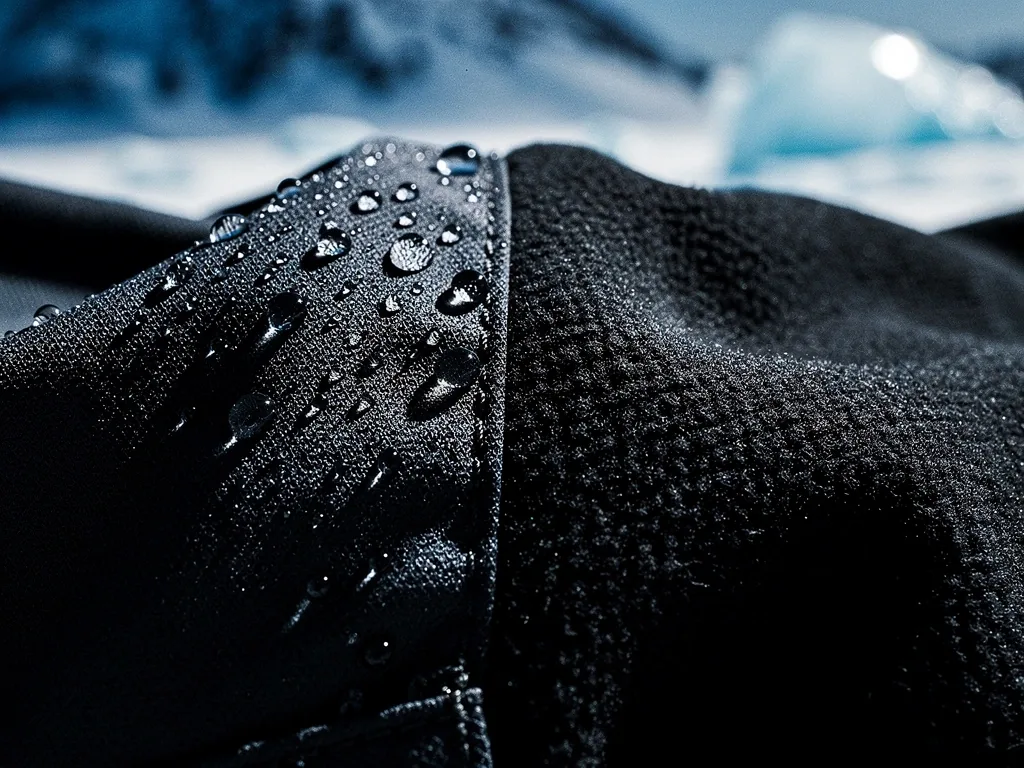
Thermal Layer Integrity: Evaluation of moisture-wicking properties vs static insulation.
The Static
Survival Stack
Moisture Management
Synthetic or merino base layers designed to move sweat away from the skin. In the arctic fishing world, moisture is the primary vector for rapid core cooling.
Trapped Air Insulation
Mid-layers of high-loft fleece or down. Their purpose is to create dead-air space, preventing heat loss when the body remains static for 12+ hours above a hole.
Thermal Resilience
Heated vests or secondary heavy-insulation plates. Used specifically when barometric pressure drops and wind chill exceeds -30°C.
Wind & Armor Shell
Gore-Tex or heavy nylon membranes. This layer provides a total block against the freezing wind that scours open frozen waters, acting as the final shield.
Cold-Start Protocols
Gas Engines
Avoid standard motor oils which gel at -15°C. We recommend full-synthetic low-viscosity blends (0W-20 or arctic-specific) to ensure your auger engine starts on the first pull during a remote fishing adventure.
- Synthetic Lubrication Only
- Fuel Stabilizer Injection
- Spark Plug Gapping
Lithium Battery Care
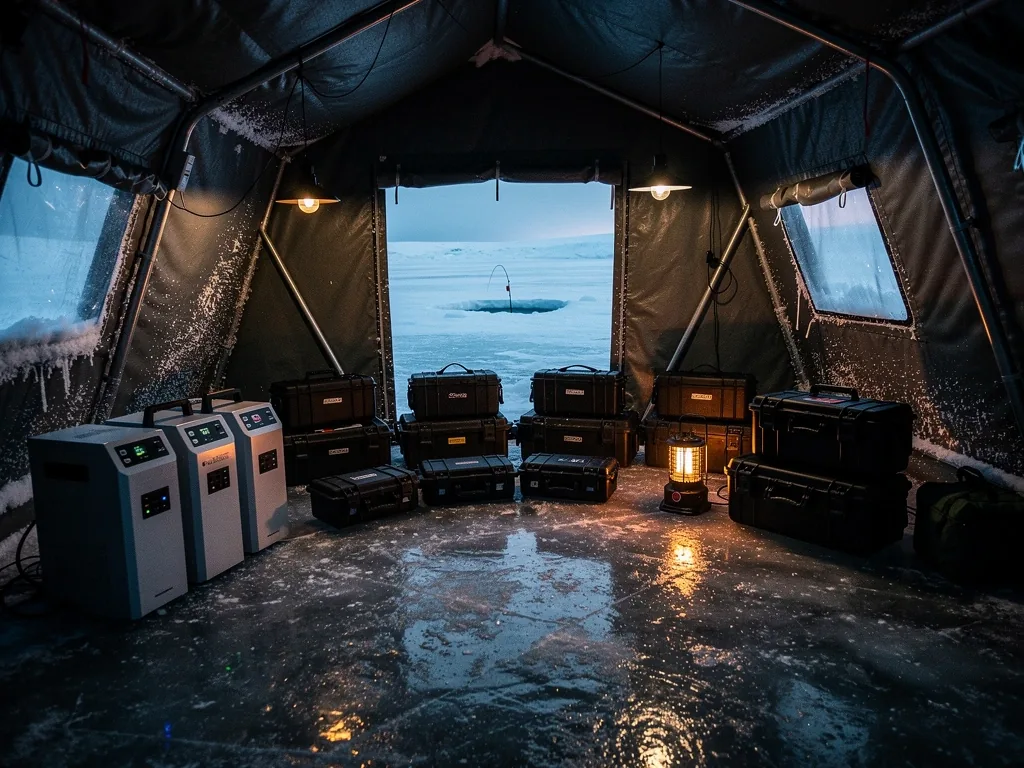
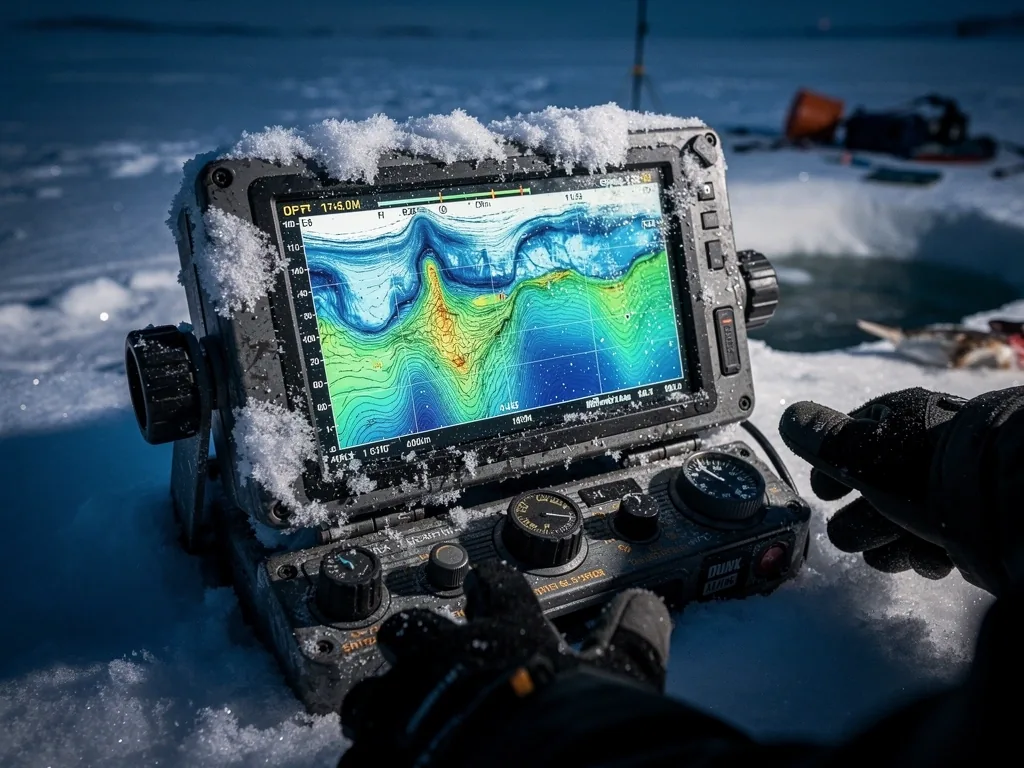
Chemical reactions slow down in the cold. Keep your sonar batteries in an insulated bag with a chemical hand warmer to maintain operating voltage and prevent sudden device blackout.
- Thermal Wrap Shielding
- Cycle-Heat Priming
- Constant Voltage Monitoring
Hardware Reliability Quotient in Test Zone Alpha
Our field experts spend months in the North, pushing every mobile fishing tool beyond its listed limits. We do not guarantee success, but we provide the logic to minimize gear failure.
Ready for the
Deep Freeze?
Download our comprehensive Expedition Gear Dossier for a complete inventory of everything needed to manage a successful fishing experience in the high Arctic.